01 — Practical Systems
What it
takes
Communications
Independent, redundant, and local communication infrastructure that functions when centralised systems fail.
Energy
Practical energy independence — generation, storage, and distribution at community scale.
Food & Water
Local production, storage, and distribution systems that reduce dependence on fragile supply chains.
Knowledge
Practical knowledge that survives — maintained, transmitted, and accessible when needed.
02 — Civic Mesh
The mesh
connects
Civic Mesh is the developing civic communications and resilience work — a practical infrastructure for communities that need to communicate, coordinate, and act when conventional systems are unreliable.
It is both a communication network and a resilience system. It appears under Communication as infrastructure for information flow, and here as practical capacity — the ability to continue operating when the centralised grid is absent.
See Civic Mesh under Communication →
Mesh nodes
Portable, low-power, deployable in under 30 minutes.
Offline-first
Systems that function without internet — sync when connectivity returns.
Local capacity
Training and documentation that stays in the community.
Practical infrastructure
Physical infrastructure that can be built, maintained, and repaired locally.
03 — Geography & Systems
Where it
is built

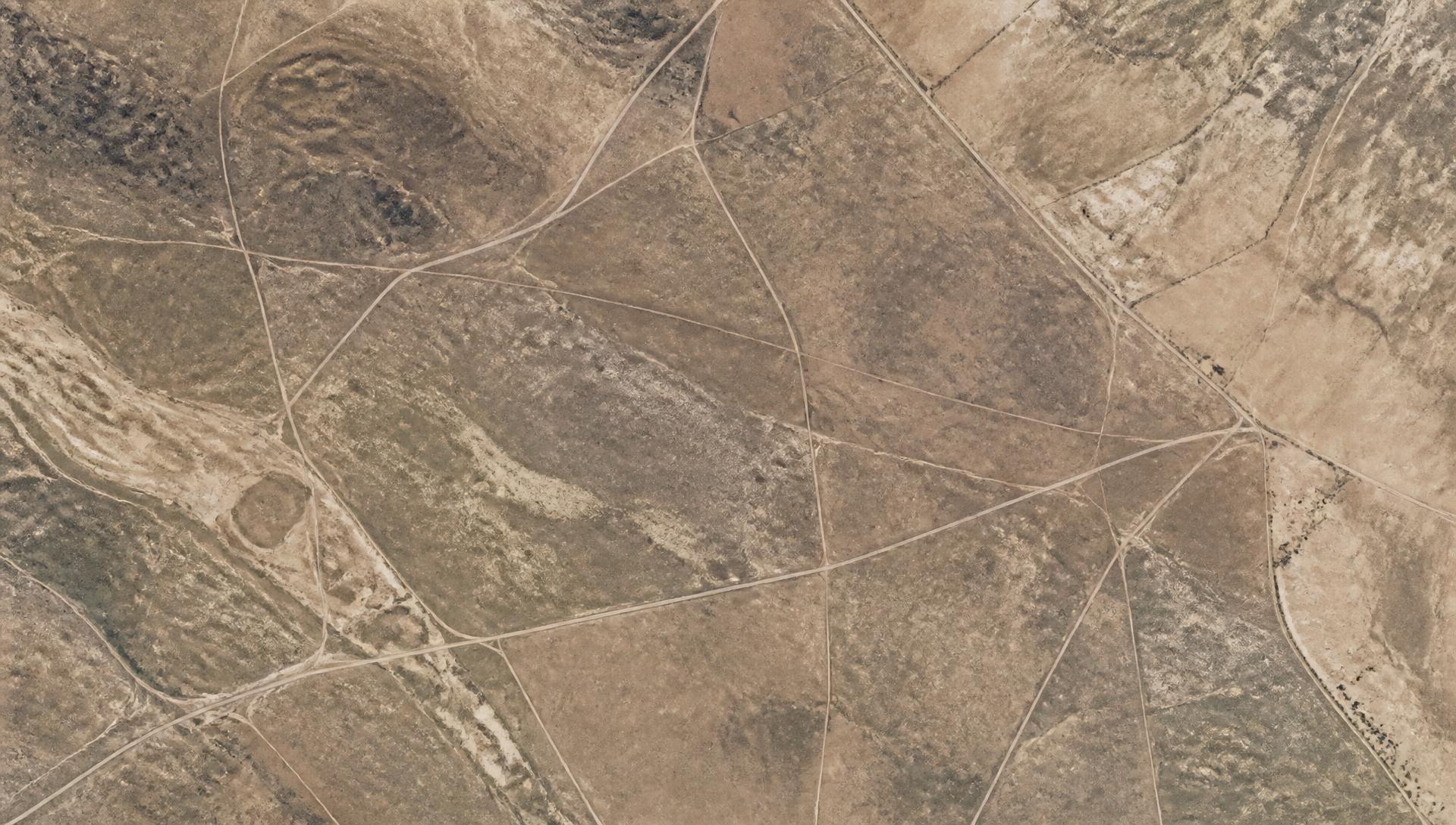

In development
Geographic mapping, route analysis, and network visualisation will become functional here as real deployment data becomes available. Until then, these positions hold the visual language of the territory — abstract, structural, not fake.
Resilience is one of three territories.