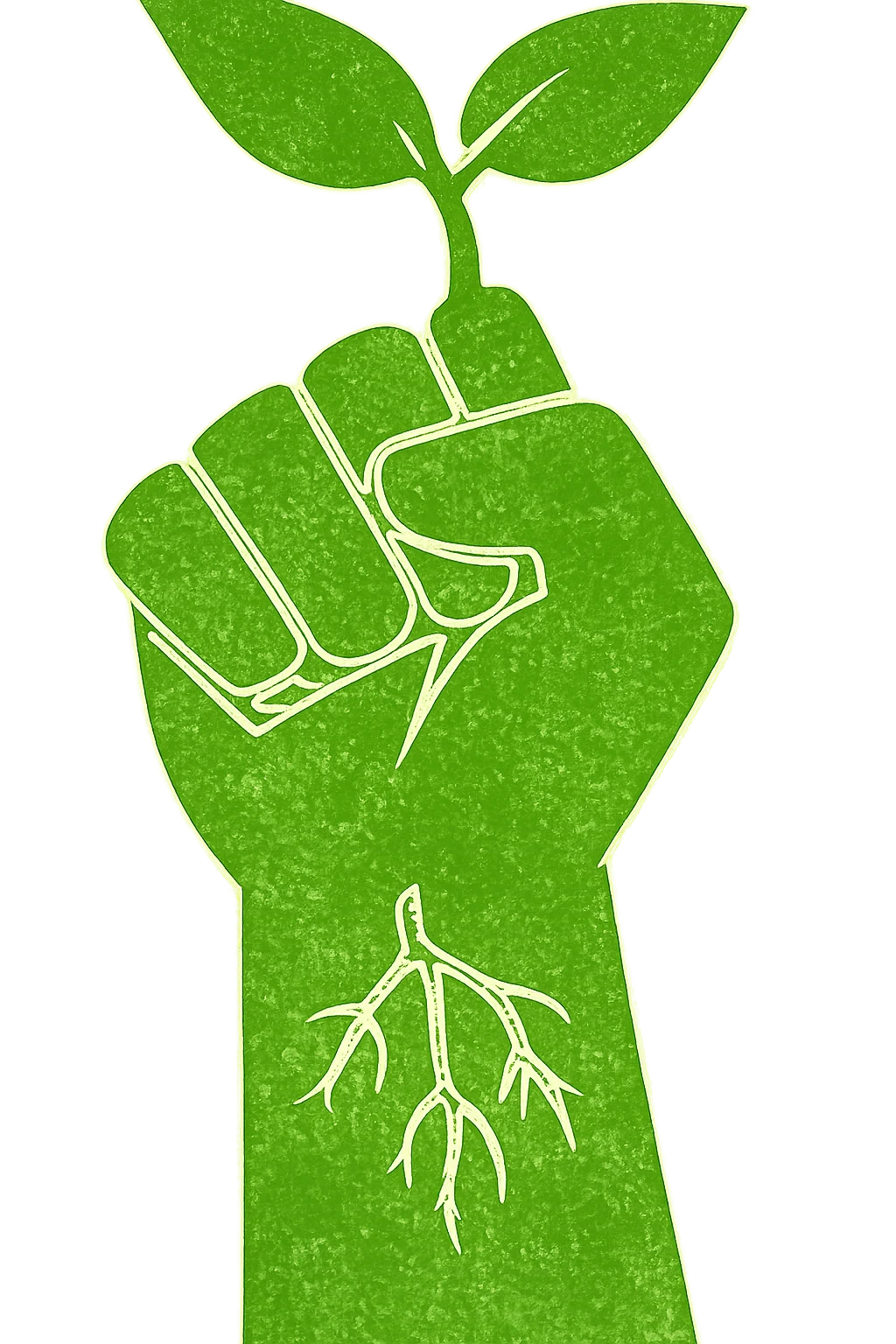
The Living Atelier

We are not facing a crisis of information.
We are facing a crisis of conditions.
People do not fail to act because they do not care.
They fail to act because action is organised around risk, exposure, and unpaid labour.
When participation requires time, safety, and cultural permission, it selects for those who already have them.

This is not a moral problem.
It is a structural one.
Confrontation is necessary.
Unexamined confrontation reproduces domination.
Awareness is necessary.
Awareness without leverage becomes accommodation.

The alternative is non-reactive structural engagement:
action without righteousness, pressure without mirroring power.
Non-attachment is not withdrawal.
It is acting without turning outcomes into identity.
Outcomes change conditions.
Conditions shape behaviour.
Behaviour shapes the next outcomes.

Politics is not ideology or branding.
Politics is how risk, cost, and agency are distributed.
Who has time.
Who has safety.
Who speaks without punishment.
Who absorbs the damage.
Fear is already present.
Denial is fear without a path to act.

Images do not persuade.
They interrupt.
In a post-literate environment, imagery is not decoration, it is infrastructure.
The Atelier Populaire did not explain the world.
It made conditions visible.
This is not a movement asking for belief.
It is a practice of making reality harder to ignore.

No leaders. No purity tests. No moral theatre.
Only shared conditions, made visible, and acted on together.